Archive | Communication RSS feed for this section

Handling Workplace Bullying: Strategies for Empowerment

17 Oct

Workplace bullying happens to very experienced, competent, kind, nice people. It’s an undeserved burden that is unfair, uncomfortable and unjust.

Intimidation, control, humiliation, exclusion, put-downs, ridicule, constant criticism and being undermined is still so much harder to get people to acknowledge as damaging, demoralising and debilitating, compared to physical abuse. 

We have a bad reputation for bullying in New Zealand. Even so, if it happens to you, it’s likely you’ll feel alone and miserable. The first thing to do, is to move away from labelling yourself as a victim and instead see that you’re a target who somehow got in the way of a bully. Secondly, reach out for help so you can take it less personally, not continue to lose sleep, and find out why overthinking everything in the search to find the solutions is not helpful.

Why don’t others understand what’s happening to me?

It’s most likely others are treated differently and/or haven’t found themselves in the crosshair of the bully. Sometimes to become a target, it only takes

  • calling someone out
  • bad luck; wrong job, wrong time, wrong person
  • having something they want
  • an unfortunate instance of signalling that you’re an easy target because conflict and rocking the boat is uncomfortable.

What can I do about it?

  • Ask for it to stop. Practise being more direct and blunt. Say “Please don’t talk to me like that.”
  • Remember that bullies see avoidance as a weakness.
  • Don’t give your power away, or isolate yourself.
  • Neutralise mistreatment with a strong one liner, the first time it occurs. “Your behaviour towards me is not ok and I’d like you to stop.”
  • In case it needs escalating to management or a legal team, keep track of/document consistent incidents. 

Rationally announcing that the unwanted conduct you’re experiencing is unacceptable to you and you’d like them to stop doing what they’re doing can make bullies less likely to repeat or keep up the bad behaviour. 

What else do I need to know about workplace bullying?

  • All bullying begins with a single instigator, but it can become more traumatising and destabilising if they recruit allies.
  • Bullies often increase intimidation by having a number of associates or friends present to support their position. If things escalate to proceedings this tactic is often used to back each other up and challenge the target. Sometimes bullies cut private deals with supporters who are willing to lie for them.
  • You absolutely don’t deserve to lose credibility or be in hostile situations. Bullies don’t think twice about lying. They may thrive on finding “fun” ways to trigger your distress without getting caught doing it.
  • Putting pressure on a target to make a decision before they’re ready, pulling a meeting forward or booking it in at super short notice so there’s no time to gather evidence, support or be properly prepared is also a common tactic. It’s done in order to get you to crack under pressure and give in to the aggressor’s demands.
  • Staying in and taking it for too long, wears down and disempowers a target, making it more difficult to focus on creative solutions needed to get out of the toxic situation. Making a plan, before powerlessness and helplessness kicks in, makes it easier to reclaim power and dignity.

To fight or not to fight?

A huge amount of time and energy can be spent fighting injustice. Historically whistle-blowers have experienced merciless persecution. You have to weigh up if it’s worth it.

Companies who value profits over people often find it cheaper to get rid of a complaining target than to investigate a bully. Even if the company staff turnover is high it’s not unusual for a bully to be protected over and over again. It can be for a number of reasons. They might be charming, in positions of power, and more “valuable” than an easily replaceable target.

What about being falsely accused?

False accusations used to try to defeat a target is an emotional sideswiper and a cruel tactic. Instead of being defensive, smart coping strategies are needed, like getting legal help, along with a strong refusal to be dragged under in a crocodile death roll. 

If something doesn’t exist, and it’s without evidence, it’s not real. Trying to make sense of something that’s senseless uses a lot of emotional energy and dysregulates our nervous system. False accusations are designed to confuse, tip you off centre and divert focus away from what a bully refuses to take accountability for.  It’s part of what’s known as a devaluation process which comes right before discarding you because you are no longer worth anything to them. Getting out from under this type of bullying is advised because it erodes future trust.

Should I stay or should I go?

Even though it can seem defeatist, searching for a new job and exiting a toxic environment can be a much better use of energy. 10 times out of 10, targets say they feel relief and bounce back to their empowered selves quite quickly after exiting. Their hypervigilance however, may take a few months and a few counselling sessions, to settle. Employment assistance counselling can’t provide legal advice but can support your emotional wellbeing while you navigate your way through the difficulty.

How do I care for myself?

While dealing with a difficult event, keeping to a routine can provide a sense of focus and control. The predictability of changing bed sheets or cleaning out a cupboard, caring for those close to us and doing normal predictable things helps calm unpredictability. It works because it shifts our attention from the things we can’t control or change, to things within our control.

Know that in the aftermath of a crisis, it’s important to focus on staying resourced, getting rest, eating simply, paring down responsibilities, putting unnecessary commitments on hold, getting exercise, being in nature and seeking simple joys. You will get through this.

Shore up your personal vulnerability, formulate facts and evidence, and possibly plan a healthy exit. 

For employers.

If you’re an employer who acknowledges issues and validates your workers concerns and are doing your best to create a safe work culture, keep up the great work! You’re a vital change maker and a champion to your workers’ safety and emotional wellbeing. The world needs more people like you.

Share your survival story to help others!

Did you speak up to someone you trusted? Was it inside or outside of your organisation? Did you reach out to your employment assistance program or book time with your counsellor? Did you find it helpful to research your rights? I’d love to hear your experiences, good or bad, in the comments.

The Who What When Why How Questions.

12 Jun

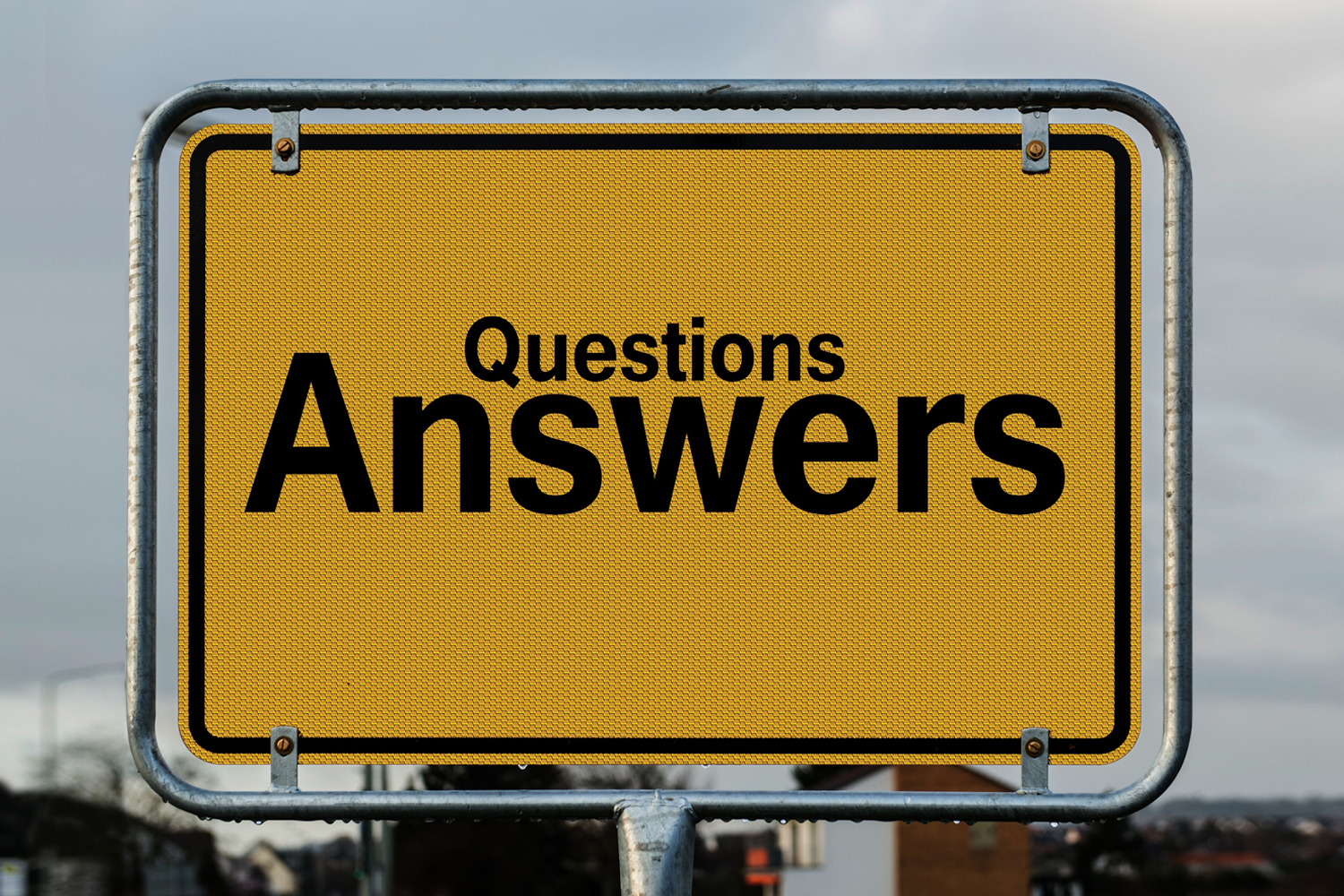
To avoid conflict in relationships, ask specific questions. This helps you to be heard. It also encourages the other person to think for themselves. We need to use the words who, what, when, why and how, followed by the word you. The key is to ask the questions with gentle inquiring curiosity, called a naive enquirer tone. Practice moving away from making I statements and avoid closed questions. These generally only elicit yes or no answers. 

An easy way to remember these kinds of questions is to imagine that each of our fingers has a name. The names are who, what, when, why, and how. The word you sits in the center of our palm. When we’re under stress or feeling triggered, stop and breathe. Then count to five and look at our hand as a reminder before asking a question.

Combinations are infinite. The more we practice asking questions, the more familiar we become with incorporating them naturally into our communication style. 

The who what when why and how questions keep everyone on a more even playing field. In Transactional Analysis, we say it moves us out of the child ego state. It also moves us out of the critical parent ego state. It transitions us into our more rational adult ego state. 

Continue reading

Setting Boundaries Protects Our Energy.

24 Aug

I think healthy boundaries are about reciprocal respect. They include setting up and communicating reasonable, clear expectations of acceptable ways for other people to behave towards us that contribute to feeling safe, supported and valued.

Imagine crouching under one of those slightly dented, aluminium colanders with a lot of holes. That’s kind of what my boundaries looked like when I was a kid. 

When I first learnt about boundaries as a young therapist, I replaced that colander with a magnificent castle on a lush flower-filled island, surrounded by a moat, filled with snapping piranhas. I installed a drawbridge that only I could lift or lower because after all, the most important boundary a person can set, is limiting their availability. I also created a shield with light, bullet proof, glittery glass bricks, because the goal of boundaries is to be protected and stay connected at the same time.

My boundaries might seem like a fortress to some, but they serve to keep me clear, focused, more tolerant, and compassionately away from resentment. 

Continue reading

Surviving Love in Lockdown. 10 Top Relationship Tips.

8 May

Day_100.jpg

What if you’ve discovered you’re not one of those resilient couples, sheltering in place,  strengthening bonds, feeling loved up and loving it? What if your version has been six hideous weeks of groundhog day in inescapable confinement, filled with endless stress, brick wall arguments, unworkable arrangements and mind-numbing chores? If you’re desperate to burst your bubble and run for the hills, don’t add to the pessimistic divorce and break-up statistics, these are extraordinary circumstances.

Uncertainty spews forth a range of challenges, from financial pressures to burdens like working from home while also caring full time for children. Take away all the welcome distractions that used to exist in life before Covid, and you’ve got a source of tension even in the strongest of relationships.

For relationships cracking at the seams, although it may feel hopeless, it doesn’t have to be. Why not reframe it? Think of it as a fast track opportunity for growth because adversity Continue reading

Don’t Blurt What Might Hurt.

23 Apr

Day_029

In these socially distant times, spending more time online is one way to help satisfy our basic human longing for social inclusion. After nearly a month, people are saying they’re beginning to feel emotionally drained, restless and disappointed in the way some people are treating others.  Others find themselves bombarded by overly strong opinions, forceful comments, put downs or really rude, sharp answers to reasonable questions, comments or status updates. When the comments stay public, they invite more negativity.

Unfortunately, because people bring to social media the ways they behave in Continue reading

Grow Through What You Go Through.

16 Apr

Day_022_alt

Times like this can really make or break us. Never before as a nation, have we ever been in the situation we’re in. Essential and frontline workers are literally putting their lives on the line while some parents probably wish they could hang their children on the line.

kid-on-clothesline.jpg

It’s all about flattening the curve. It’s not a competition. We get that. It’s not about being the fittest or most fabulous. Some will moan, others will motivate. It doesn’t have to include a bake off or a dance off, but if it does and people enjoy it, let’s remember to be kind.

Some people are really sick, others are afraid of becoming sick. Some are Continue reading

Dig Deep.

6 Apr

Day_012b

Between stimulus and response there is a space. In that space is our power to choose our response. In our response lies our growth and our freedom. Victor Frankl.

While I’m not asking you to carefully craft all of your conversations, if you’re finding it challenging being confined in closer circumstances for longer periods of time than you are used to, and conflict is causing concern, it could be beneficial to learn how to respond rather than react. Especially if you want to create a more emotionally comforting bubble to hang out in.

Choosing our response is about making sure it’s calm, considered, conscious and in line with our core values. It’s driven by wanting to get the best out of a situation for ourselves and others. Responding is more about actively taking our time to work out what Continue reading

Wherever You Go, There You Are.

27 Mar

Day_002b

The government have asked for our support to protect New Zealand and eradicate COVID-19. An important restriction has been put in place, stay home, save lives and no surprises, two days in and the usual suspects have gone a little wild, flaunting the rules and looking for loopholes.

We often hope that others will think, behave, react and respond the way we do, but it doesn’t always work that way. Some of the rules are bound to get a little tighter when people who don’t like to be told what to do, go about their business, their way. They are just being who they are, but when the consequences affect the collective, it Continue reading

Tis the Season. Will it Be Sensational or Stink?

7 Dec
611b62663986179d3896b968a574a037

Many Christmas’s in my life and yours too I imagine, have been so amazing, filled with love and tinsel, a sparkly stream of fabulous family, amazing food, children’s squeals, handmade goodies, laden Christmas trees, thoughtful presents, shared stories, goofy games and loud laughter.

Some are sensational and some are far from it. Some are just stink.

There are many reasons why some homes, some years, overflow with seasonal joy, and others not so much. Life can occasionally just fall apart at the seams. Illness, loss, geographical distance, natural disasters, conflicted family, depression, dementia, stress, divorce, addiction, lack of finances, not having a home, you name it, some

Continue reading

50 Reflective End of Year Family Questions.

3 Dec

How about introducing a new self reflective ritual into your family? As the year winds down it’s the perfect time to choose an evening or afternoon to gather together and consider things like: How was the past year? What worked and what did not work so well? What do I want to create in the year to come? 

Continue reading